Building Seamless B2B Communication in Fintech
In this case study, I share how I helped turn a complex, fragmented B2B fintech ecosystem into a clear and unified user experience. It’s a story about structure, collaboration, and practical entrepreneurial insight that helped bring order to fast growth.
To comply with my NDA, some details have been changed. The approaches described here reflect my own work and do not necessarily represent Yandex’s official position.
Context
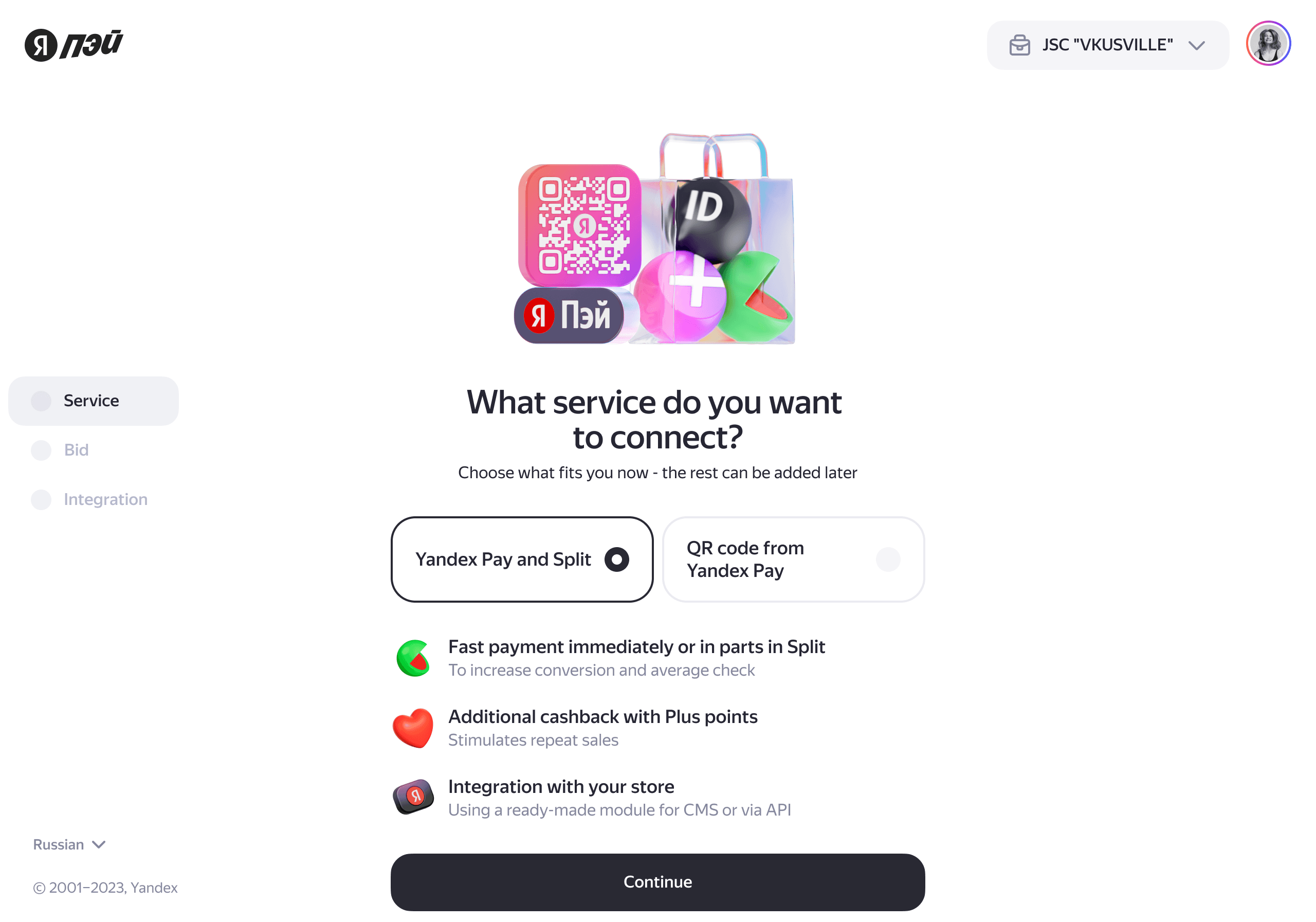
In 2025, Yandex Fintech launched several new B2B services, including a loyalty programme, business loans, non-cash tips, CMS integrations and QR code payments.
The aim was to create a unified financial platform and become the market leader for business clients. Each service was developed by a separate product team that was fast, ambitious and slightly chaotic.
My Role
I was responsible for content across all partner interfaces, both desktop and mobile.
I worked closely with:
3 designers and 4 product managers
Marketing and communications specialists
Developers and legal experts, to ensure clarity, accuracy, and compliance
But my role went far beyond writing interface copy. My mission was to:
Unite a fragmented system of services
Build a shared language across teams
Help designers tell one coherent story across every interface
At times, it felt like joining five different startups at once — all speaking different dialects.
The Challenge
Fast-paced launches created confusion — both internally and for our partners.
Each team used its own vocabulary, tone, and content logic:
Terms overlapped: Partner, Merchant, Business Owner
The same action had different labels: Activate / Connect / Turn on
Error messages and confirmations were inconsistent or unclear
Earlier content work had limited influence on design decisions, so communication evolved organically — and chaotically.
For partners, this led to uncertainty and mistakes. For teams, it meant wasting time rewriting the same ideas again and again.
My goal was to make this growing ecosystem feel like one product — clear, consistent, and trustworthy.
My Approach
I approached this work as both a writer and a UX strategist. I treated language as part of the product's architecture — examining how it guides decisions, builds trust, and reflects reliability.
With my legal background, I could bridge compliance and human language, keeping every message both precise and approachable. I worked closely with designers and product managers, respecting their expertise while ensuring content and design aligned seamlessly.
Process
Step 1 Understanding of the task
I began by understanding the people behind the screens.
I used to run an online store, so I know how stressful it is when something breaks during peak season. That experience helped me see partners not as abstract “users,” but as people whose revenue depends on clarity and reliability.
Before making changes, I studied how leading fintech platforms name and describe similar features, looking for familiar terms business owners instantly recognize.
I then reviewed all active and upcoming services, collecting texts from Figma, dashboards, and partner documentation to map the full content landscape.
Step 2 Finding problems and misunderstandings
Next, I analyzed how partners interacted with each service — from setup and connection flows to payments and tips.
I looked for places where wording caused hesitation, mistakes, or unnecessary support requests.
Clear patterns emerged:
Actions were named inconsistently: Connect, Activate, Turn on
Confirmation dialogs were vague — users weren’t sure what would happen next
These weren’t cosmetic issues. They created real business risk.
A partner could disable a module by accident and lose payments for hours — or days.
I’ve been in that situation myself. Once, a vague setting cost me an entire weekend of sales. That’s why I obsess over clarity: in a business interface, “on” must always mean on.
Step 3 Crafting clarity and confidence
Once the core issues were clear, I focused on rebuilding confidence at every step.
My goal wasn’t just clarity — it was trust.
I reviewed all interface texts — buttons, warnings, tooltips, and settings — and created a shared system where every term had one clear meaning.
Key improvements:
Unified actions: simplified activation and management verbs across services
Clear confirmations: replaced vague prompts like “Are you sure?” with specific, calm questions like “Delete service X?”
Consistent patterns: aligned the tone and structure of toggles, modals, and alerts
I wanted the interface to sound like a competent colleague — calm, clear, and never rushed. Someone who earns trust instead of demanding it.
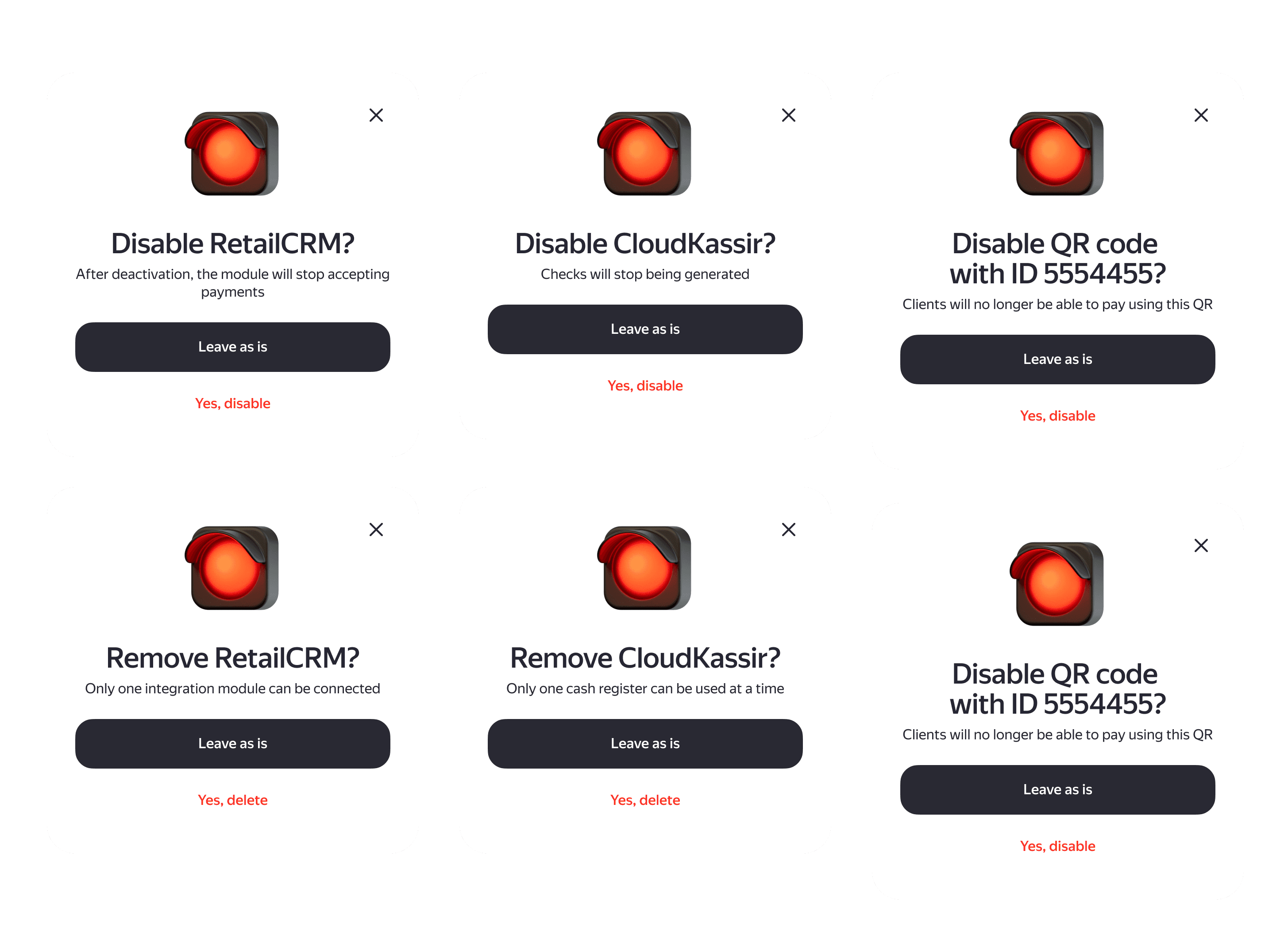
Clear and coherent messages prevent any misclicks
I wanted the interface to sound like a competent colleague — calm, clear, and never in a hurry. Someone who earns trust, not demands it.
Step 4. Scaling clarity
To make the system sustainable, I documented key patterns and created compact writing guidelines for designers and developers.
I worked with engineers to standardize message keys for recurring states — errors, validations, confirmations — so new products would follow the same logic by default.
I added these principles to our internal wiki, turning ad-hoc writing into a reusable system.
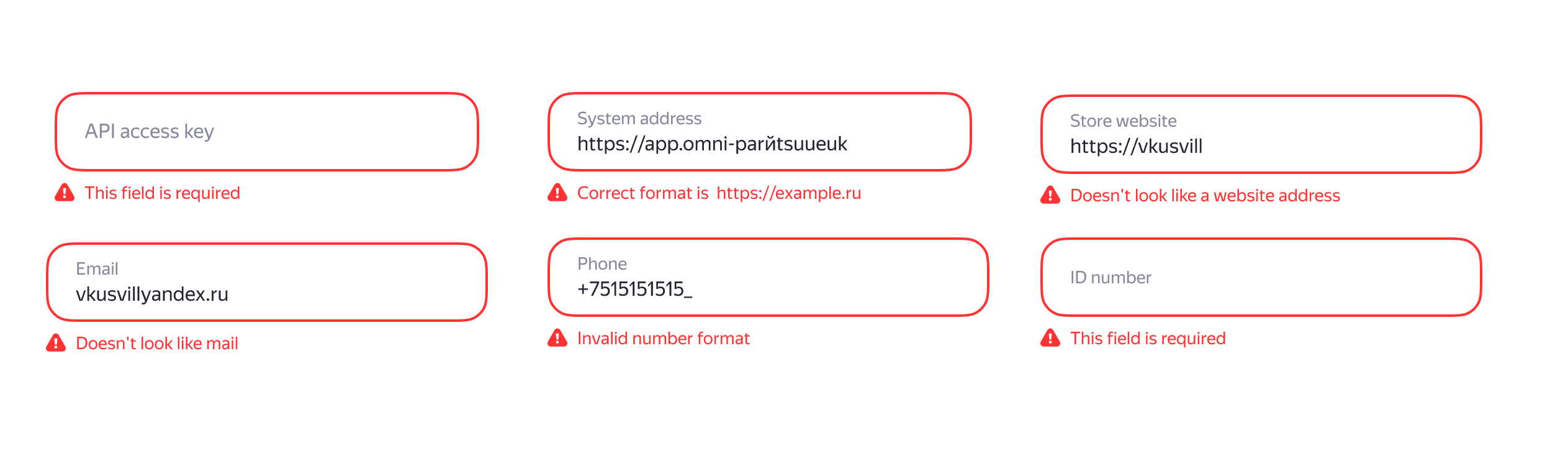
I worked with engineers to standardize message keys for recurring states (errors, validations, confirmations) and ensured that new products would automatically follow the same logic.
I also added these principles to our internal wiki — turning ad-hoc writing into a reusable system.
Impact
The results were immediate and long-lasting:
New services started using consistent language without additional help.
Cross-team misunderstandings decreased.
Partner onboarding became smoother and required less support.
The platform began to sound and feel cohesive, even as the product lineup kept expanding.
When a new UX writer joined, I could focus fully on Yandex ID.